" height="5.615400000000001px" id="hIcpieuhS" transform="translate(21.523 16.845)" width="20.586599999999997px"/><path d="M 31.816 5.614 L 31.816 0 L 0 0.002 L 3.742 5.614 Z" fill="rgb(0, 49, 39)" height="5.613800000000001px" id="Miokbz6fW" transform="translate(15.909 28.074)" width="31.815700000000003px"/><path d="M 8.672 2.808 L 10.293 0 L 0 0 L 0 5.615 L 3.811 5.615 C 5.817 5.615 7.67 4.546 8.674 2.808 Z" fill="rgb(0, 49, 39)" height="5.615400000000001px" id="t2CWxRKdG" transform="translate(11.231 22.458)" width="10.2932px"/><path d="M 33.278 8.012 L 25.883 0.617 C 25.489 0.223 24.952 0 24.395 0 L 5.615 0 L 5.615 5.616 L 28.074 5.616 L 28.074 11.231 L 5.615 11.231 C 2.514 11.231 0 13.745 0 16.846 L 0 22.462 C 0 25.563 2.514 28.077 5.615 28.077 L 23.69 28.077 C 24.249 28.077 24.787 27.854 25.184 27.458 C 26.197 26.445 26.923 25.718 28.074 24.568 L 28.074 28.077 L 33.689 28.077 L 33.689 9.008 C 33.689 8.634 33.541 8.278 33.278 8.015 Z M 28.074 22.46 L 5.615 22.46 L 5.615 16.845 L 28.074 16.845 Z" fill="rgb(0, 49, 39)" height="28.0771px" id="ZkIP4hXuu" transform="translate(101.064 11.227)" width="33.68899999999999px"/><path d="M 5.615 0 L 0 0 L 0 28.074 L 5.615 28.074 Z" fill="rgb(0, 49, 39)" height="28.0738px" id="mCKLJMDuZ" transform="translate(213.36 11.229)" width="5.614999999999981px"/><path d="M 5.616 15.971 L 5.616 0 L 0 0 L 0 22.458 L 4.998 17.46 C 5.393 17.066 5.616 16.529 5.616 15.971 Z" fill="rgb(0, 49, 39)" height="22.4583px" id="J3VDH9mds" transform="translate(224.588 11.23)" width="5.616000000000014px"/><path d="M 0 0 L 0 5.615 L 14.037 5.615 L 14.037 28.074 L 19.652 28.074 L 19.652 5.615 L 14.654 0.617 C 14.26 0.223 13.723 0 13.166 0 Z" fill="rgb(0, 49, 39)" height="28.0738px" id="XusuArdlx" transform="translate(174.056 11.229)" width="19.651999999999987px"/><path d="M 14.037 0 L 0 0 L 0 5.615 L 14.037 5.615 Z" fill="rgb(0, 49, 39)" height="5.615399999999999px" id="hjibh6KhB" transform="translate(193.708 11.229)" width="14.037000000000006px"/><path d="M 22.459 0 L 0 0 L 0 5.615 L 22.459 5.615 Z" fill="rgb(0, 49, 39)" height="5.615400000000001px" id="vbgrfQ29I" transform="translate(224.588 33.688)" width="22.459000000000003px"/><path d="M 5.616 15.971 L 5.616 0 L 0 0 L 0 22.458 L 4.998 17.46 C 5.393 17.066 5.616 16.529 5.616 15.971 Z" fill="rgb(0, 49, 39)" height="22.4583px" id="dBOtzGQ5p" transform="translate(252.66 11.23)" width="5.616000000000014px"/><path d="M 22.458 0 L 0 0 L 0 5.615 L 22.458 5.615 Z" fill="rgb(0, 49, 39)" height="5.615400000000001px" id="sBPFKMQpz" transform="translate(252.662 33.688)" width="22.458px"/><path d="M 28.073 11.231 L 5.615 11.231 L 5.615 5.616 L 28.073 5.616 L 28.073 0 L 9.294 0 C 8.736 0 8.2 0.221 7.805 0.617 L 0.411 8.012 C 0.148 8.275 0 8.633 0 9.004 L 0 11.231 C 0 14.332 2.514 16.846 5.615 16.846 L 28.073 16.846 L 28.073 22.462 L 0 22.462 L 0 28.077 L 24.394 28.077 C 24.952 28.077 25.489 27.856 25.883 27.46 L 33.278 20.065 C 33.54 19.803 33.689 19.444 33.689 19.073 L 33.689 16.846 C 33.689 13.745 31.175 11.231 28.073 11.231 Z" fill="rgb(0, 49, 39)" height="28.0771px" id="JqjrKjpDA" transform="translate(140.368 11.227)" width="33.68899999999999px"/><path d="M 26.089 0.822 C 25.563 0.296 24.848 0 24.104 0 L 5.615 0 C 2.514 0 0 2.514 0 5.615 L 0 22.46 L 5.615 22.46 L 5.615 5.615 L 28.074 5.615 L 28.074 22.46 L 5.615 22.46 L 10.613 27.458 C 11.008 27.853 11.544 28.075 12.102 28.075 L 28.074 28.075 C 31.175 28.075 33.689 25.561 33.689 22.46 L 33.689 9.001 C 33.689 8.631 33.542 8.276 33.281 8.014 C 31.497 6.229 26.089 0.822 26.089 0.822 Z" fill="rgb(0, 49, 39)" height="28.075400000000002px" id="K9MOiU9jF" transform="translate(277.927 11.229)" width="33.688999999999965px"/><path d="M 5.615 5.615 L 33.689 5.615 L 33.689 0 L 9.295 0 C 8.737 0 8.2 0.221 7.806 0.617 L 0.411 8.012 C 0.149 8.275 0 8.633 0 9.004 L 0 22.46 C 0 25.561 2.514 28.075 5.615 28.075 L 33.689 28.075 L 33.689 22.46 L 7.02 22.46 C 6.244 22.46 5.617 21.831 5.617 21.057 L 5.617 5.617 Z" fill="rgb(0, 49, 39)" height="28.075400000000002px" id="LADVQXA8x" transform="translate(64.569 11.229)" width="33.6893px"/><path d="M 2.499 10.925 C 1.714 10.422 1.1 9.729 0.661 8.842 C 0.22 7.956 0 6.954 0 5.832 C 0 4.709 0.22 3.707 0.661 2.821 C 1.101 1.936 1.714 1.243 2.499 0.746 C 3.285 0.248 4.186 0 5.203 0 C 6.094 0 6.885 0.175 7.577 0.526 C 8.268 0.878 8.818 1.352 9.227 1.949 C 9.637 2.547 9.888 3.207 9.982 3.93 L 8.504 3.93 C 8.367 3.229 8.045 2.606 7.537 2.067 C 7.029 1.527 6.25 1.256 5.203 1.256 C 4.355 1.256 3.651 1.471 3.097 1.901 C 2.541 2.331 2.133 2.892 1.87 3.583 C 1.608 4.275 1.478 5.024 1.478 5.832 C 1.478 6.639 1.608 7.391 1.87 8.088 C 2.133 8.785 2.541 9.349 3.097 9.778 C 3.653 10.207 4.355 10.424 5.203 10.424 C 6.283 10.424 7.09 10.128 7.625 9.536 C 8.159 8.943 8.453 8.233 8.504 7.405 L 9.982 7.405 C 9.897 8.233 9.651 8.971 9.242 9.621 C 8.833 10.272 8.283 10.777 7.592 11.138 C 6.9 11.5 6.103 11.681 5.201 11.681 C 4.185 11.681 3.283 11.431 2.498 10.927 Z" fill="rgb(0, 49, 39)" height="11.6815px" id="bLAF6G9xs" transform="translate(322.841 22.23)" width="9.981999999999971px"/><path d="M 1.069 10.384 C 0.356 9.666 0 8.705 0 7.499 L 0 0 L 1.414 0 L 1.414 7.499 C 1.414 8.41 1.652 9.09 2.129 9.536 C 2.606 9.981 3.332 10.204 4.306 10.204 C 5.28 10.204 6.006 9.981 6.483 9.536 C 6.96 9.09 7.198 8.412 7.198 7.499 L 7.198 0 L 8.612 0 L 8.612 7.499 C 8.612 8.704 8.256 9.666 7.543 10.384 C 6.83 11.102 5.75 11.462 4.304 11.462 C 2.858 11.462 1.779 11.104 1.066 10.384 Z" fill="rgb(0, 49, 39)" height="11.4619px" id="iuoOSadIH" transform="translate(333.707 22.447)" width="8.612000000000023px"/><path d="M 2.499 10.925 C 1.713 10.422 1.099 9.729 0.66 8.842 C 0.22 7.956 0 6.954 0 5.832 C 0 4.709 0.22 3.707 0.66 2.821 C 1.101 1.936 1.713 1.243 2.499 0.746 C 3.285 0.248 4.186 0 5.203 0 C 6.094 0 6.885 0.175 7.576 0.526 C 8.268 0.878 8.818 1.352 9.227 1.949 C 9.636 2.547 9.887 3.207 9.981 3.93 L 8.504 3.93 C 8.367 3.229 8.045 2.606 7.537 2.067 C 7.028 1.527 6.249 1.256 5.203 1.256 C 4.354 1.256 3.651 1.471 3.097 1.901 C 2.54 2.331 2.133 2.892 1.87 3.583 C 1.608 4.275 1.477 5.024 1.477 5.832 C 1.477 6.639 1.608 7.391 1.87 8.088 C 2.133 8.785 2.54 9.349 3.097 9.778 C 3.653 10.207 4.354 10.424 5.203 10.424 C 6.282 10.424 7.089 10.128 7.624 9.536 C 8.159 8.943 8.453 8.233 8.504 7.405 L 9.981 7.405 C 9.897 8.233 9.651 8.971 9.242 9.621 C 8.832 10.272 8.283 10.777 7.591 11.138 C 6.9 11.5 6.102 11.681 5.201 11.681 C 4.184 11.681 3.283 11.431 2.497 10.927 Z" fill="rgb(0, 49, 39)" height="11.6815px" id="mnOHX8oWu" transform="translate(343.334 22.23)" width="9.980999999999995px"/><path d="M 0 0 L 1.415 0 L 1.415 4.78 L 7.421 4.78 L 7.421 0 L 8.836 0 L 8.836 11.241 L 7.421 11.241 L 7.421 6.036 L 1.415 6.036 L 1.415 11.241 L 0 11.241 Z" fill="rgb(0, 49, 39)" height="11.240700000000004px" id="vgtYcLH2F" transform="translate(354.31 22.447)" width="8.836000000000013px"/><path d="M 0 0 L 1.415 0 L 1.415 11.241 L 0 11.241 Z" fill="rgb(0, 49, 39)" height="11.240700000000004px" id="G3Xr1BiaT" transform="translate(364.789 22.447)" width="1.4150000000000205px"/><path d="M 0 0 L 1.414 0 L 1.414 9.983 L 7.311 9.983 L 7.311 11.241 L 0 11.241 Z" fill="rgb(0, 49, 39)" height="11.240700000000004px" id="nZsPGOHBl" transform="translate(367.838 22.447)" width="7.310999999999979px"/><path d="M 0 0 L 1.415 0 L 1.415 9.983 L 7.311 9.983 L 7.311 11.241 L 0 11.241 Z" fill="rgb(0, 49, 39)" height="11.240700000000004px" id="KXdTx5_0Z" transform="translate(375.703 22.447)" width="7.3110000000000355px"/><path d="M 4.15 0 L 5.738 0 L 9.92 11.241 L 8.395 11.241 L 7.405 8.426 L 2.453 8.426 L 1.463 11.241 L 0 11.241 L 4.152 0 Z M 6.948 7.169 L 4.95 1.304 L 4.919 1.304 L 2.922 7.169 L 6.946 7.169 Z" fill="rgb(0, 49, 39)" height="11.240700000000004px" id="FTgYepd4l" transform="translate(383.095 22.447)" width="9.919999999999959px"/><path d="M 2.436 11.201 C 1.713 10.881 1.139 10.424 0.714 9.826 C 0.29 9.229 0.051 8.516 0 7.689 L 1.477 7.689 C 1.665 9.523 2.793 10.44 4.858 10.44 C 5.802 10.44 6.469 10.259 6.861 9.897 C 7.254 9.536 7.451 9.036 7.451 8.395 C 7.451 7.913 7.345 7.542 7.135 7.279 C 6.926 7.017 6.632 6.816 6.256 6.674 C 5.878 6.532 5.292 6.361 4.494 6.162 C 4.42 6.152 4.311 6.126 4.164 6.083 C 3.398 5.894 2.768 5.7 2.269 5.502 C 1.771 5.302 1.347 4.998 0.995 4.59 C 0.644 4.181 0.469 3.641 0.469 2.971 C 0.469 2.06 0.804 1.335 1.475 0.802 C 2.146 0.267 3.08 0 4.273 0 C 5.541 0 6.551 0.309 7.3 0.928 C 8.05 1.547 8.472 2.422 8.566 3.554 L 7.089 3.554 C 6.984 2.778 6.711 2.199 6.272 1.816 C 5.831 1.433 5.171 1.241 4.291 1.241 C 3.516 1.241 2.931 1.383 2.538 1.666 C 2.146 1.948 1.949 2.362 1.949 2.907 C 1.949 3.348 2.073 3.693 2.319 3.945 C 2.565 4.196 2.867 4.386 3.223 4.511 C 3.58 4.637 4.088 4.779 4.749 4.935 C 5.693 5.155 6.44 5.373 6.997 5.587 C 7.551 5.802 8.014 6.131 8.38 6.57 C 8.746 7.01 8.93 7.601 8.93 8.346 C 8.93 9.331 8.595 10.133 7.923 10.751 C 7.253 11.37 6.251 11.678 4.92 11.678 C 3.988 11.678 3.159 11.518 2.436 11.198 Z" fill="rgb(0, 49, 39)" height="11.678200000000004px" id="aVy3WtkJk" transform="translate(392.572 22.227)" width="8.930000000000007px"/></svg>)
News
News
Recycling and Sustainability
Recycling and Sustainability
European Week for Waste Reduction
European Week for Waste Reduction
European Week for Waste Reduction
Until 24 November, the European Week for Waste Reduction (EWWR) is being held, an important date that seeks to raise awareness of the importance of significantly reducing the waste we generate as a society. Under the 3Rs approach –Reduce, Reuse and Recycle–, this week is an opportunity to reflect on our consumption habits and adopt sustainable practices that contribute to protecting the environment. In a context where plastic remains one of the greatest environmental challenges due to its slow degradation, initiatives like this are vital to drive actions that promote more responsible waste management and a more resilient future.
Context and Objectives of the EWWR: A Collective Effort for Sustainability
The European Week for Waste Reduction (EWWR) has established itself as a key initiative involving citizens, businesses, schools and governments across Europe in the fight to reduce waste generation and promote a circular economy model. This joint effort aims not only to raise awareness of the importance of reducing waste, but also to encourage collaboration to implement sustainable and efficient practices. In the previous edition, the active participation of various sectors made it possible to highlight the scale of this commitment and underline the positive impact generated by coordinated action.
Highlighted Actions: Examples of Commitment in Practice
During the EWWR, multiple activities are carried out that reflect the community's commitment, such as recycling workshops, waste collection campaigns and educational talks. These projects not only educate, but also drive action in key sectors such as agriculture and manufacturing, where efficient resource management and the adoption of sustainable technologies are emphasised. Collaboration between public and private entities is essential to extend these initiatives and make waste reduction an achievable goal for everyone.
Key points for a more sustainable future
1. Reduce consumption: The first and most important key to a sustainable future is reducing the amount of resources we consume. This means adopting responsible habits in our purchasing decisions, prioritising products with low environmental impact, such as those with less packaging or made from recycled materials. It also includes encouraging practices such as sharing goods (the sharing economy), avoiding single-use products and opting for more durable alternatives.
2. Reuse materials: Reuse extends the lifespan of products, preventing them from becoming waste prematurely. This can be achieved by repairing damaged items, donating goods in good condition that we no longer need, or even using creativity to give them a second life. For example, plastic containers can be turned into plant pots, while materials such as wood or metal can be reused in DIY or construction projects.
3. Recycle efficiently: Efficient recycling requires both individual and collective effort. In the home, it is crucial to separate waste correctly at source to make treatment easier at recycling plants. At industrial level, it is necessary to invest in advanced infrastructure and technologies that make it possible to process materials optimally. For example, the use of specialised machinery, such as shredders and separators, maximises resource recovery and reduces waste sent to landfill.
The Role of Industry in Waste Reduction
The industry plays a fundamental role in waste reduction, acting both as a generator and a driver of sustainable solutions. Companies across various sectors are adopting practices ranging from optimising production processes to implementing advanced recycling technologies. Collaboration between companies and the development of strategies that promote the 3Rs –Reduce, Reuse and Recycle– are essential to minimise environmental impact and move towards a circular economy model.
Industry's participation in initiatives such as European Week for Waste Reduction is key to encouraging large-scale change. Examples include the use of specialised machinery in material recycling and investment in sustainability programmes that involve both workers and the wider community. These efforts not only help reduce the volume of waste generated, but also contribute to a more responsible and efficient use of resources.
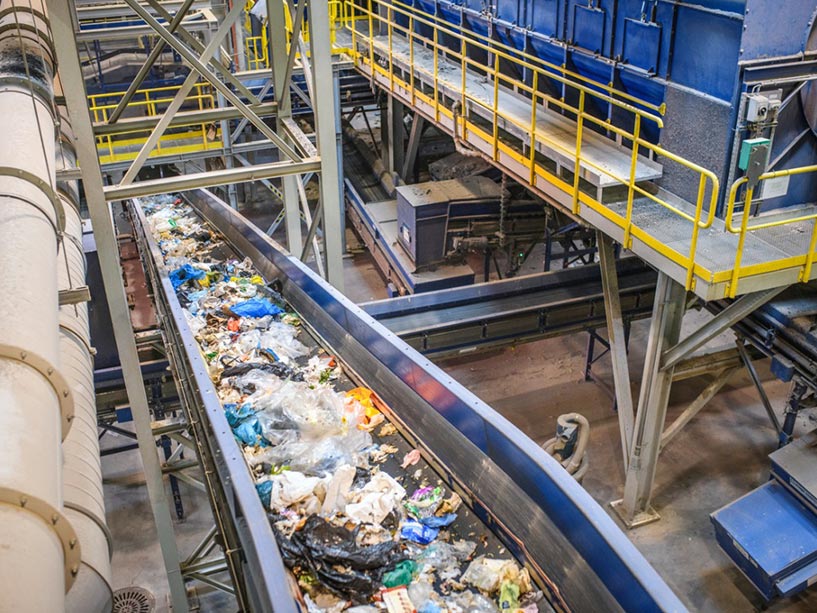
“Among the most critical challenges facing industry is plastic management, one of the most difficult materials to handle due to its slow degradation.”
Challenges of plastic recycling
Plastic recycling continues to face major challenges due to the slow and complex degradation of the material. Despite technological advances, global recycling capacity still needs to double to meet global sustainability targets. In this context, industrial blades for recycling play an essential role, making it easier and more efficient to transform plastic waste into new products.
Cuchillas Castillo's commitment to plastic recycling
At Cuchillas Castillo, a leading company in the supply of industrial blades for recycling, we understand the importance of efficient waste management in protecting our environment. Our mission is to support industry at every stage of the recycling process, using cutting-edge technology and specialised machinery to maximise efficiency and sustainability.
At Cuchillas Castillo, we invite every person and company to actively take part in the European Week for Waste Reduction and in the implementation of sustainable practices. Only through joint action can we move towards a more resilient future that respects the environment.
Until 24 November, the European Week for Waste Reduction (EWWR) is being held, an important date that seeks to raise awareness of the importance of significantly reducing the waste we generate as a society. Under the 3Rs approach –Reduce, Reuse and Recycle–, this week is an opportunity to reflect on our consumption habits and adopt sustainable practices that contribute to protecting the environment. In a context where plastic remains one of the greatest environmental challenges due to its slow degradation, initiatives like this are vital to drive actions that promote more responsible waste management and a more resilient future.
Context and Objectives of the EWWR: A Collective Effort for Sustainability
The European Week for Waste Reduction (EWWR) has established itself as a key initiative involving citizens, businesses, schools and governments across Europe in the fight to reduce waste generation and promote a circular economy model. This joint effort aims not only to raise awareness of the importance of reducing waste, but also to encourage collaboration to implement sustainable and efficient practices. In the previous edition, the active participation of various sectors made it possible to highlight the scale of this commitment and underline the positive impact generated by coordinated action.
Highlighted Actions: Examples of Commitment in Practice
During the EWWR, multiple activities are carried out that reflect the community's commitment, such as recycling workshops, waste collection campaigns and educational talks. These projects not only educate, but also drive action in key sectors such as agriculture and manufacturing, where efficient resource management and the adoption of sustainable technologies are emphasised. Collaboration between public and private entities is essential to extend these initiatives and make waste reduction an achievable goal for everyone.
Key points for a more sustainable future
1. Reduce consumption: The first and most important key to a sustainable future is reducing the amount of resources we consume. This means adopting responsible habits in our purchasing decisions, prioritising products with low environmental impact, such as those with less packaging or made from recycled materials. It also includes encouraging practices such as sharing goods (the sharing economy), avoiding single-use products and opting for more durable alternatives.
2. Reuse materials: Reuse extends the lifespan of products, preventing them from becoming waste prematurely. This can be achieved by repairing damaged items, donating goods in good condition that we no longer need, or even using creativity to give them a second life. For example, plastic containers can be turned into plant pots, while materials such as wood or metal can be reused in DIY or construction projects.
3. Recycle efficiently: Efficient recycling requires both individual and collective effort. In the home, it is crucial to separate waste correctly at source to make treatment easier at recycling plants. At industrial level, it is necessary to invest in advanced infrastructure and technologies that make it possible to process materials optimally. For example, the use of specialised machinery, such as shredders and separators, maximises resource recovery and reduces waste sent to landfill.
The Role of Industry in Waste Reduction
The industry plays a fundamental role in waste reduction, acting both as a generator and a driver of sustainable solutions. Companies across various sectors are adopting practices ranging from optimising production processes to implementing advanced recycling technologies. Collaboration between companies and the development of strategies that promote the 3Rs –Reduce, Reuse and Recycle– are essential to minimise environmental impact and move towards a circular economy model.
Industry's participation in initiatives such as European Week for Waste Reduction is key to encouraging large-scale change. Examples include the use of specialised machinery in material recycling and investment in sustainability programmes that involve both workers and the wider community. These efforts not only help reduce the volume of waste generated, but also contribute to a more responsible and efficient use of resources.
“Among the most critical challenges facing industry is plastic management, one of the most difficult materials to handle due to its slow degradation.”
Challenges of plastic recycling
Plastic recycling continues to face major challenges due to the slow and complex degradation of the material. Despite technological advances, global recycling capacity still needs to double to meet global sustainability targets. In this context, industrial blades for recycling play an essential role, making it easier and more efficient to transform plastic waste into new products.
Cuchillas Castillo's commitment to plastic recycling
At Cuchillas Castillo, a leading company in the supply of industrial blades for recycling, we understand the importance of efficient waste management in protecting our environment. Our mission is to support industry at every stage of the recycling process, using cutting-edge technology and specialised machinery to maximise efficiency and sustainability.
At Cuchillas Castillo, we invite every person and company to actively take part in the European Week for Waste Reduction and in the implementation of sustainable practices. Only through joint action can we move towards a more resilient future that respects the environment.
Until 24 November, the European Week for Waste Reduction (EWWR) is being held, an important date that seeks to raise awareness of the importance of significantly reducing the waste we generate as a society. Under the 3Rs approach –Reduce, Reuse and Recycle–, this week is an opportunity to reflect on our consumption habits and adopt sustainable practices that contribute to protecting the environment. In a context where plastic remains one of the greatest environmental challenges due to its slow degradation, initiatives like this are vital to drive actions that promote more responsible waste management and a more resilient future.
Context and Objectives of the EWWR: A Collective Effort for Sustainability
The European Week for Waste Reduction (EWWR) has established itself as a key initiative involving citizens, businesses, schools and governments across Europe in the fight to reduce waste generation and promote a circular economy model. This joint effort aims not only to raise awareness of the importance of reducing waste, but also to encourage collaboration to implement sustainable and efficient practices. In the previous edition, the active participation of various sectors made it possible to highlight the scale of this commitment and underline the positive impact generated by coordinated action.
Highlighted Actions: Examples of Commitment in Practice
During the EWWR, multiple activities are carried out that reflect the community's commitment, such as recycling workshops, waste collection campaigns and educational talks. These projects not only educate, but also drive action in key sectors such as agriculture and manufacturing, where efficient resource management and the adoption of sustainable technologies are emphasised. Collaboration between public and private entities is essential to extend these initiatives and make waste reduction an achievable goal for everyone.
Key points for a more sustainable future
1. Reduce consumption: The first and most important key to a sustainable future is reducing the amount of resources we consume. This means adopting responsible habits in our purchasing decisions, prioritising products with low environmental impact, such as those with less packaging or made from recycled materials. It also includes encouraging practices such as sharing goods (the sharing economy), avoiding single-use products and opting for more durable alternatives.
2. Reuse materials: Reuse extends the lifespan of products, preventing them from becoming waste prematurely. This can be achieved by repairing damaged items, donating goods in good condition that we no longer need, or even using creativity to give them a second life. For example, plastic containers can be turned into plant pots, while materials such as wood or metal can be reused in DIY or construction projects.
3. Recycle efficiently: Efficient recycling requires both individual and collective effort. In the home, it is crucial to separate waste correctly at source to make treatment easier at recycling plants. At industrial level, it is necessary to invest in advanced infrastructure and technologies that make it possible to process materials optimally. For example, the use of specialised machinery, such as shredders and separators, maximises resource recovery and reduces waste sent to landfill.
The Role of Industry in Waste Reduction
The industry plays a fundamental role in waste reduction, acting both as a generator and a driver of sustainable solutions. Companies across various sectors are adopting practices ranging from optimising production processes to implementing advanced recycling technologies. Collaboration between companies and the development of strategies that promote the 3Rs –Reduce, Reuse and Recycle– are essential to minimise environmental impact and move towards a circular economy model.
Industry's participation in initiatives such as European Week for Waste Reduction is key to encouraging large-scale change. Examples include the use of specialised machinery in material recycling and investment in sustainability programmes that involve both workers and the wider community. These efforts not only help reduce the volume of waste generated, but also contribute to a more responsible and efficient use of resources.
“Among the most critical challenges facing industry is plastic management, one of the most difficult materials to handle due to its slow degradation.”
Challenges of plastic recycling
Plastic recycling continues to face major challenges due to the slow and complex degradation of the material. Despite technological advances, global recycling capacity still needs to double to meet global sustainability targets. In this context, industrial blades for recycling play an essential role, making it easier and more efficient to transform plastic waste into new products.
Cuchillas Castillo's commitment to plastic recycling
At Cuchillas Castillo, a leading company in the supply of industrial blades for recycling, we understand the importance of efficient waste management in protecting our environment. Our mission is to support industry at every stage of the recycling process, using cutting-edge technology and specialised machinery to maximise efficiency and sustainability.
At Cuchillas Castillo, we invite every person and company to actively take part in the European Week for Waste Reduction and in the implementation of sustainable practices. Only through joint action can we move towards a more resilient future that respects the environment.
" height="27.8521px" id="ZtKQqXM62" transform="translate(51.048 0)" width="102.10770000000001px"/><path d="M 157.804 27.844 L 157.804 0 L 0 0.008 L 18.56 27.844 Z" fill="rgb(255, 255, 255)" height="27.84389999999999px" id="X8GsbV_Tg" transform="translate(23.201 55.702)" width="157.80429999999998px"/><path d="M 43.014 13.926 L 51.054 0 L 0 0 L 0 27.852 L 18.904 27.852 C 28.851 27.852 38.045 22.547 43.023 13.926 Z" fill="rgb(255, 255, 255)" height="27.852100000000004px" id="TbTBhz4ZE" transform="translate(0 27.851)" width="51.054088281000006px"/></svg>)
Contact
Av. Comarcas del País Valenciano, 63 Pol. Ind. Valencia 2000,
46930 Quart De Poblet, Valencia (Spain)
Cuchillas por uso
Cuchillas por sector
Contact
Av. Comarcas del País Valenciano, 63 Pol. Ind. Valencia 2000,
46930 Quart De Poblet, Valencia (Spain)
Cuchillas por uso
Cuchillas por sector
Cuchillas por uso
Cuchillas por sector
Information
Av. Comarcas del País Valenciano, 63 Pol. Ind. Valencia 2000
46930 Quart De Poblet, Valencia